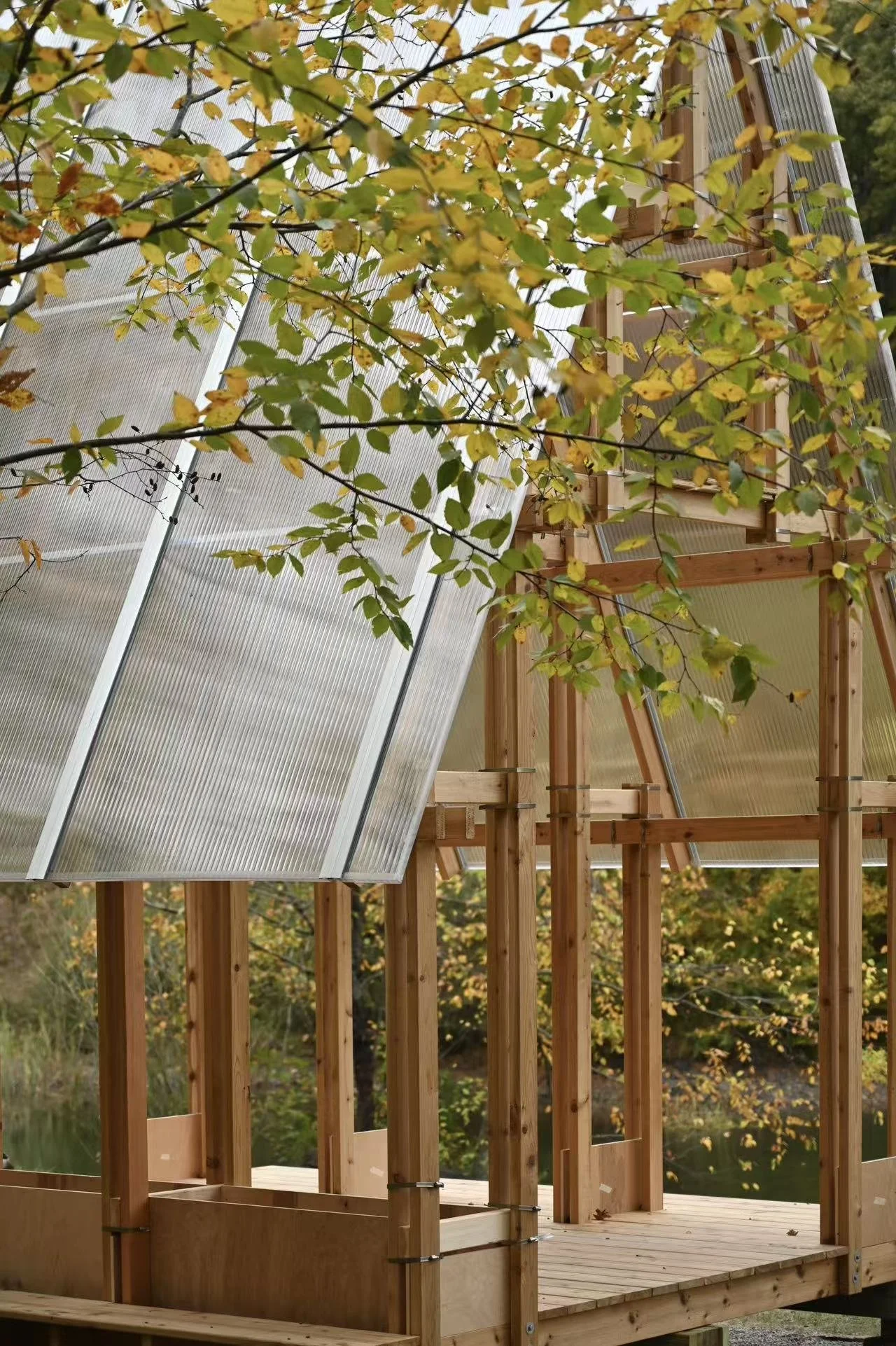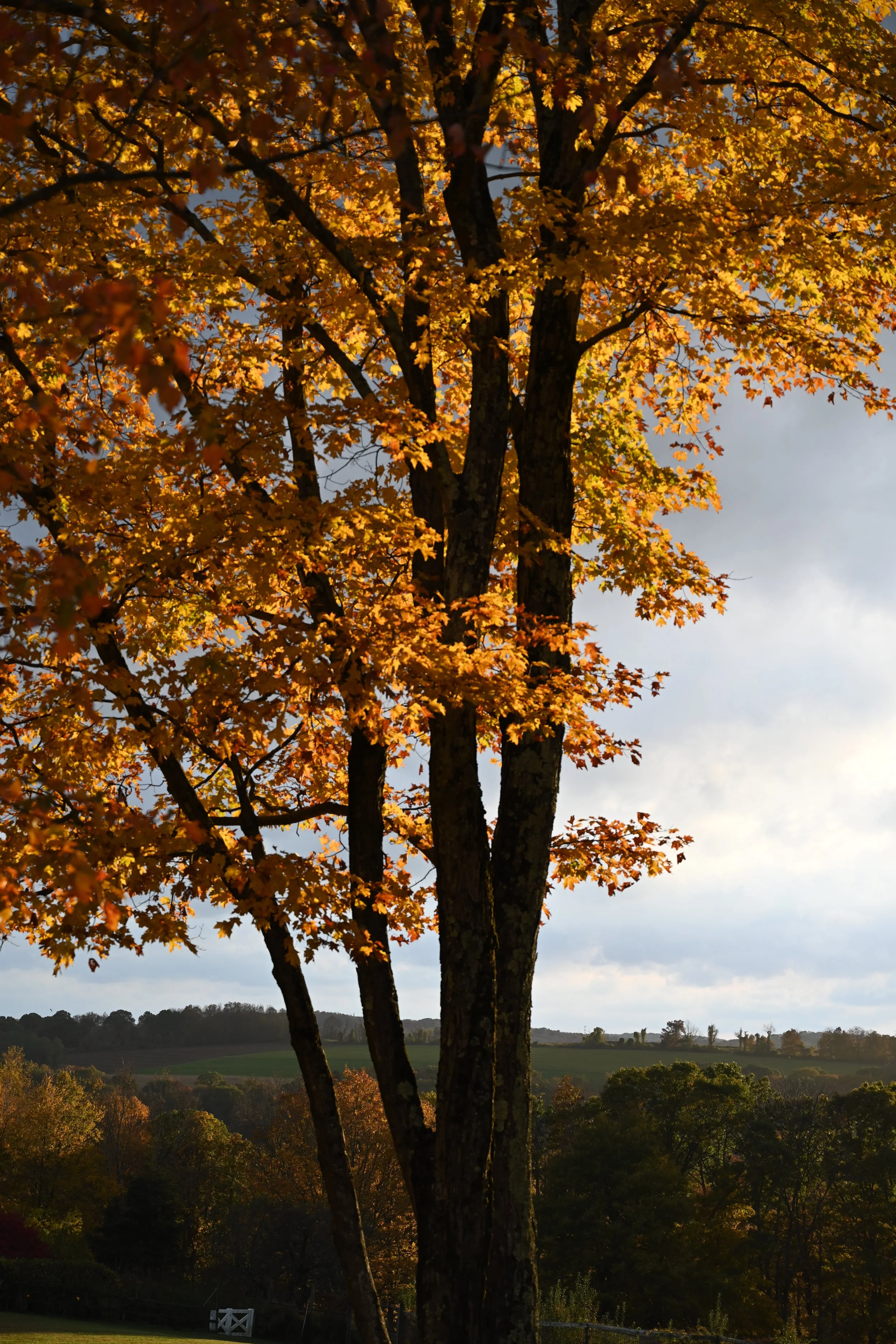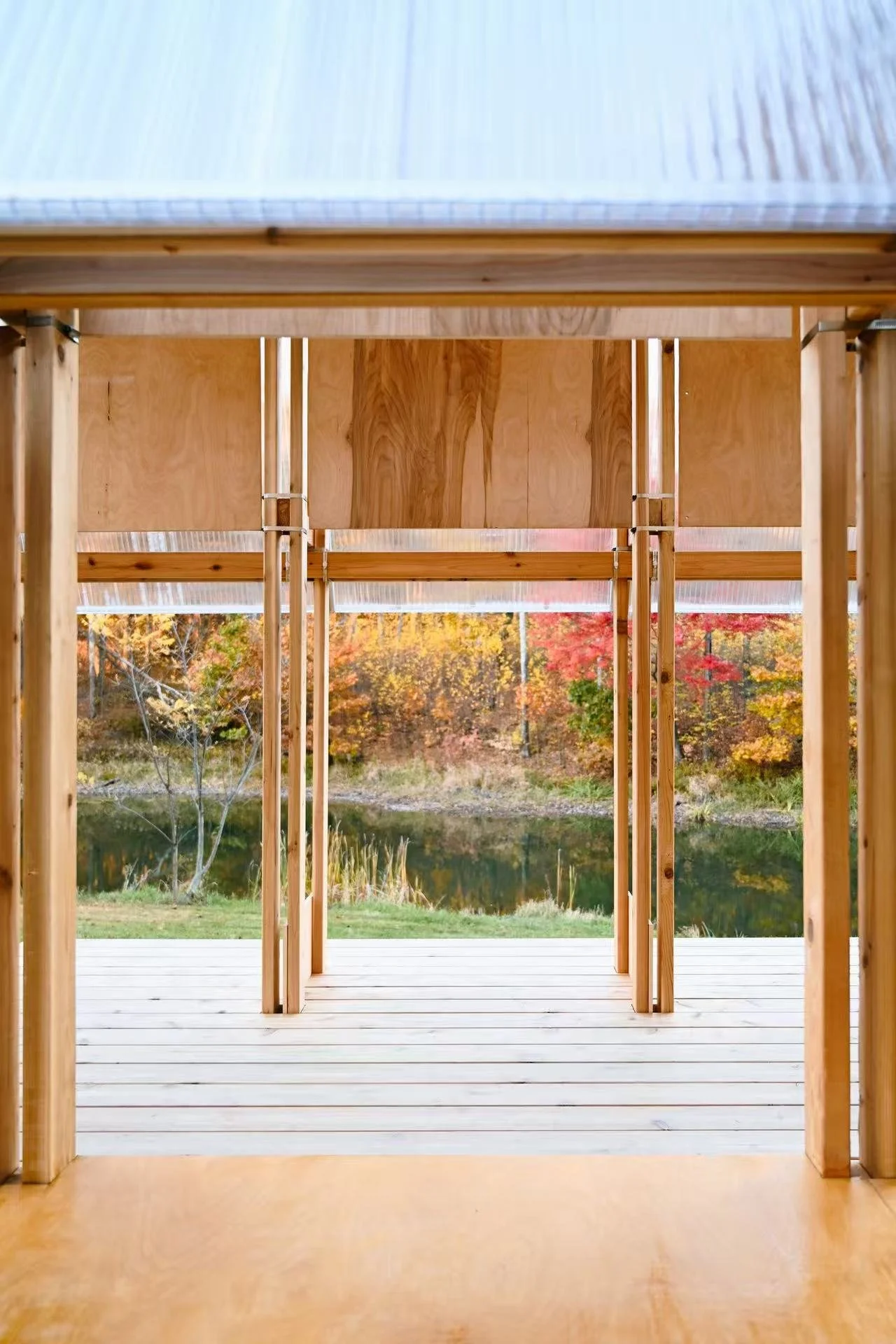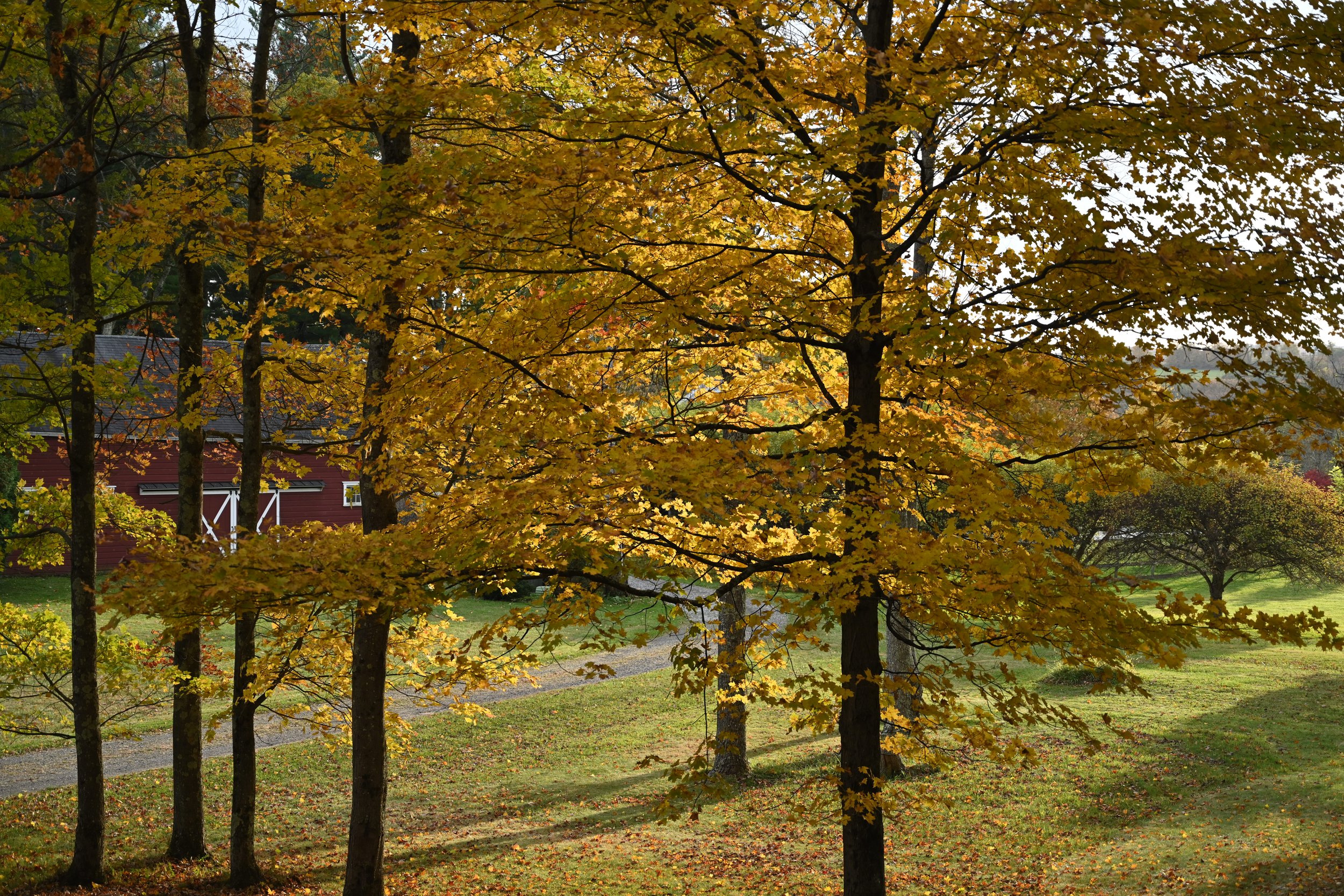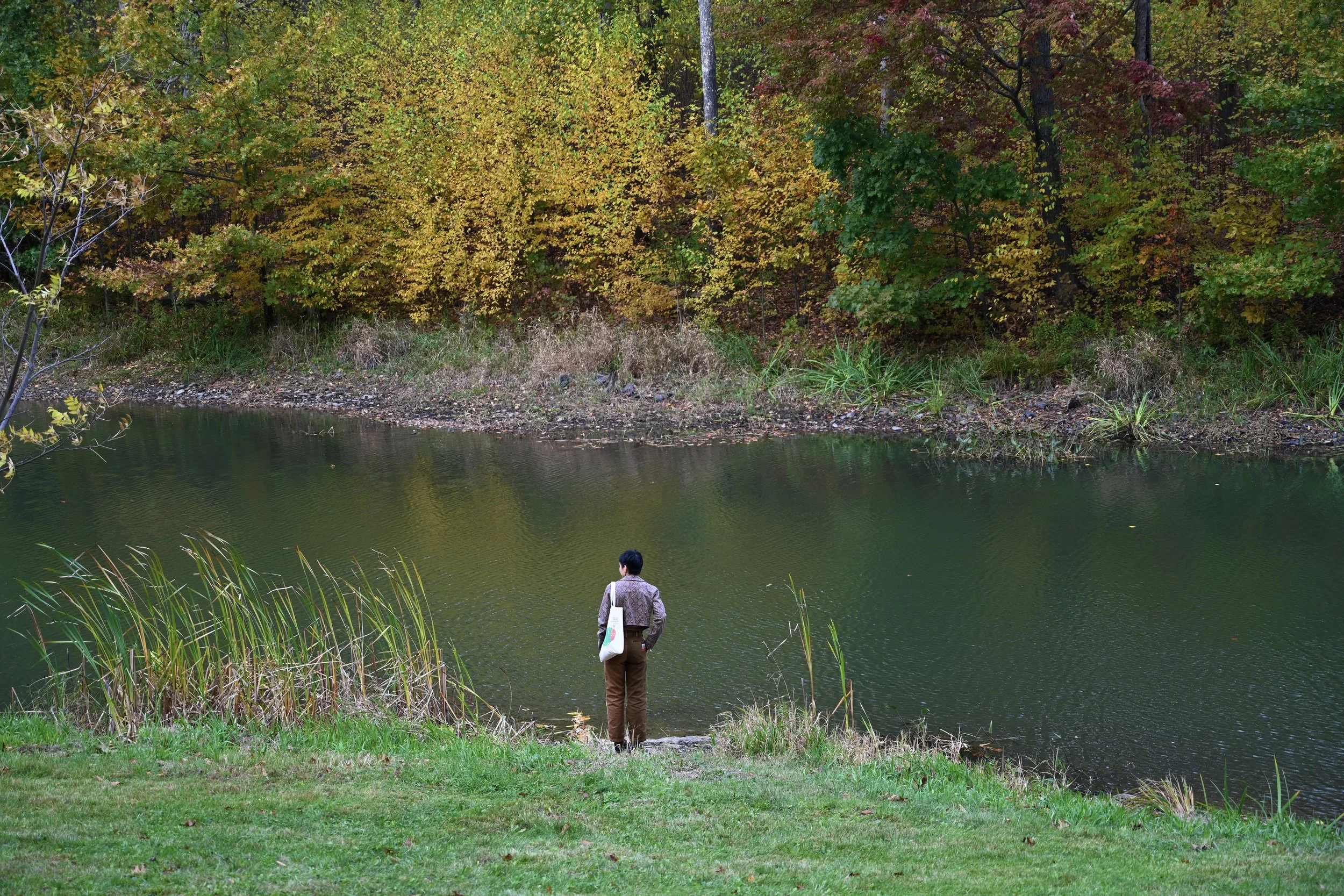
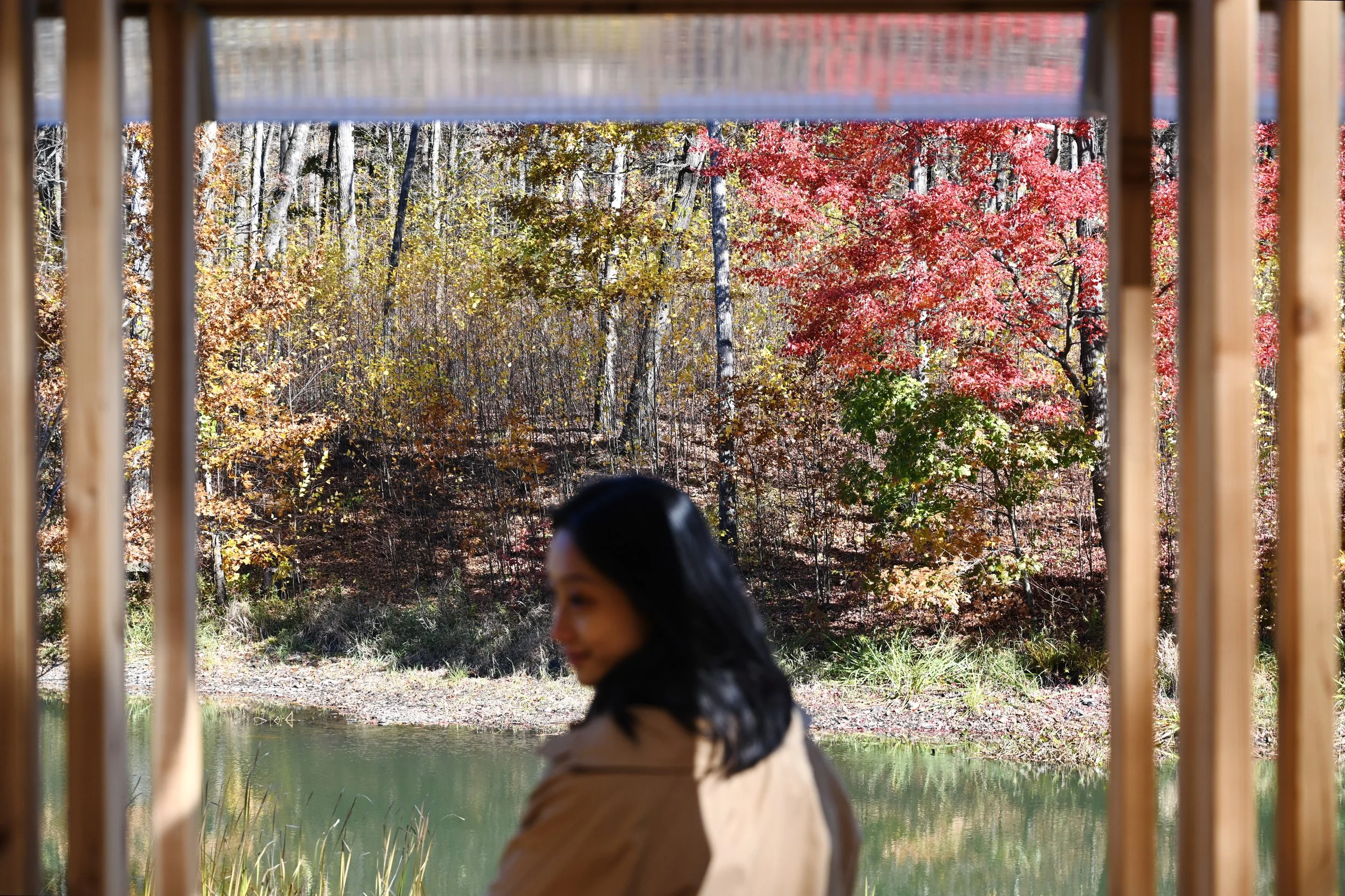
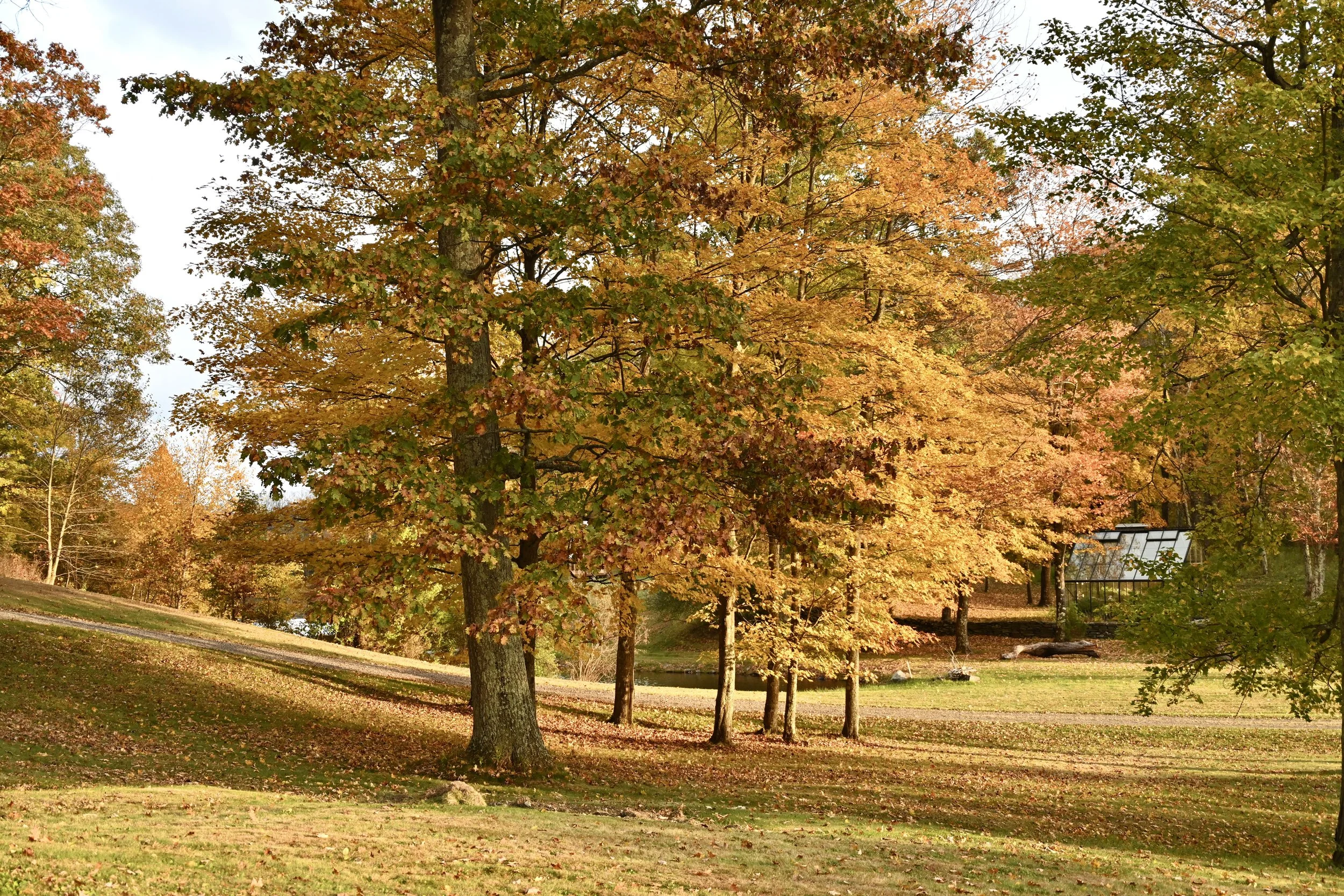
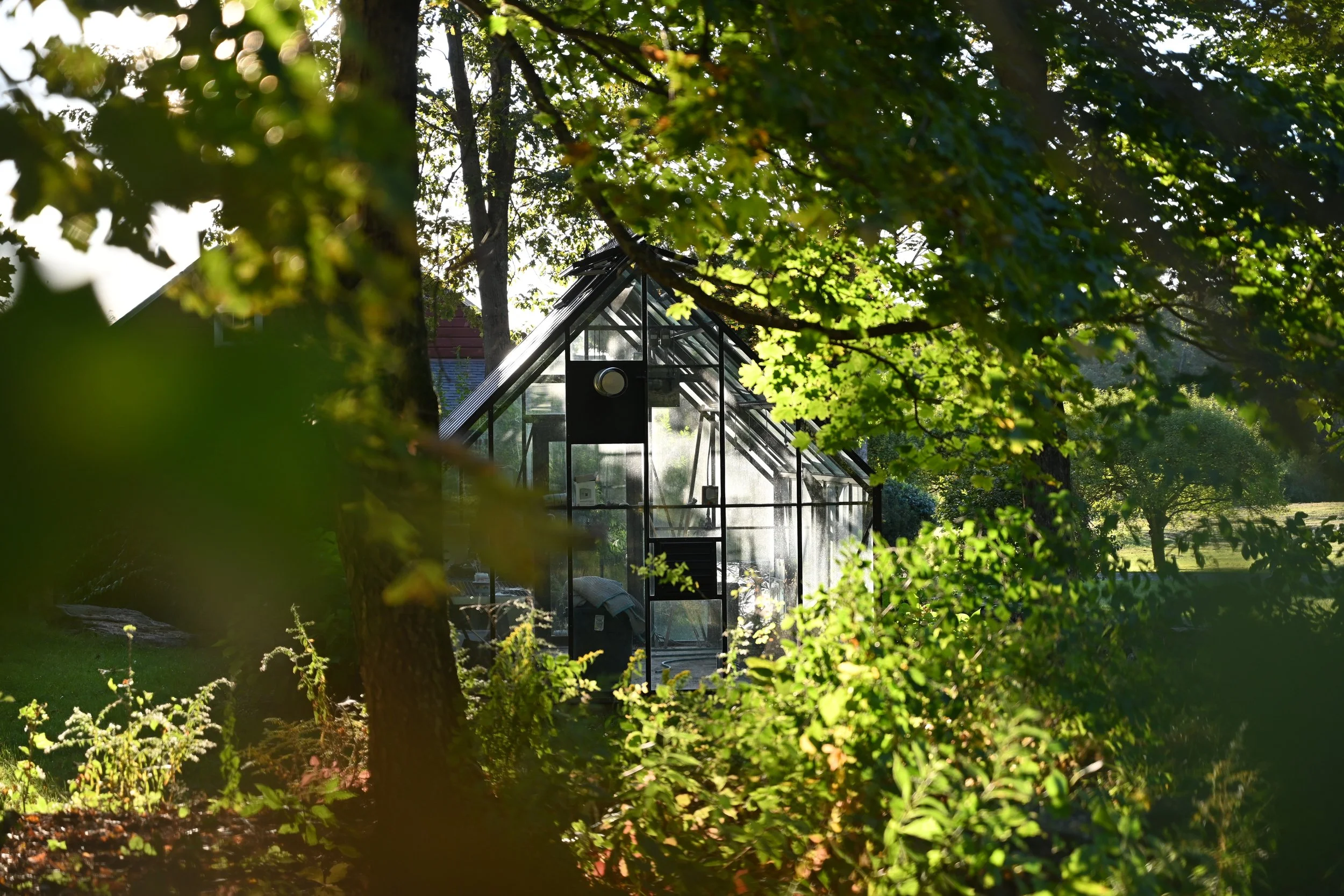
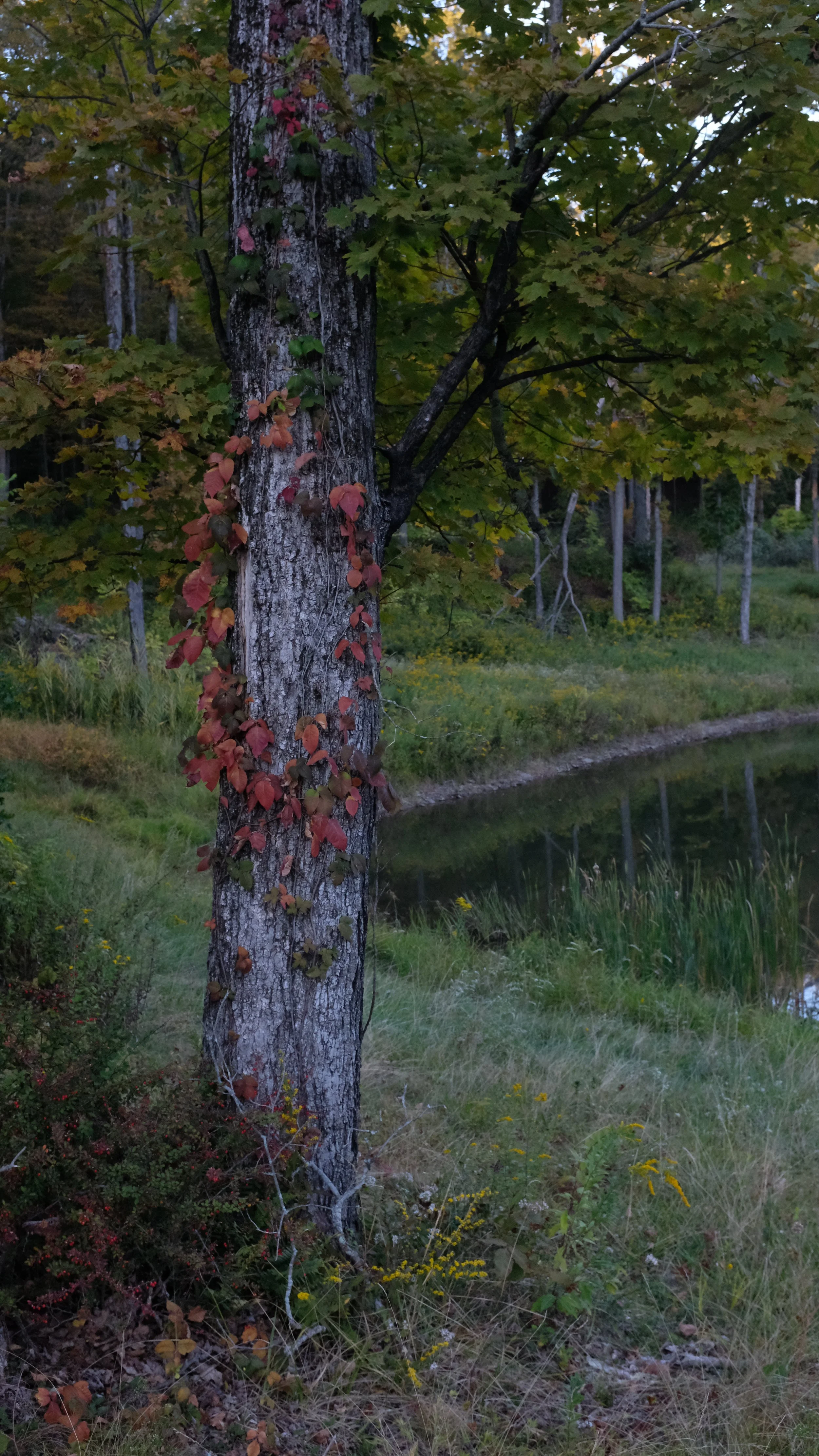
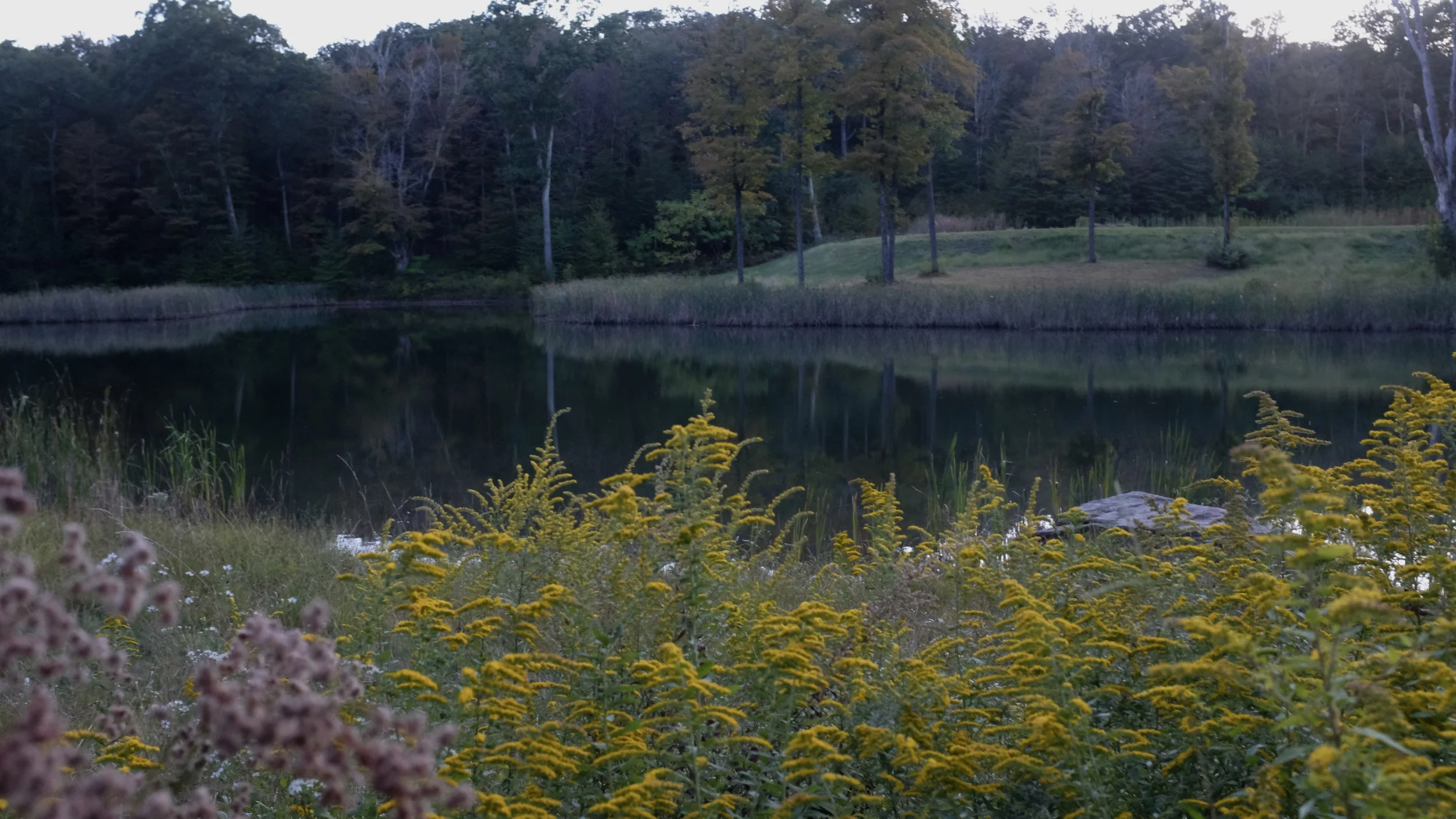
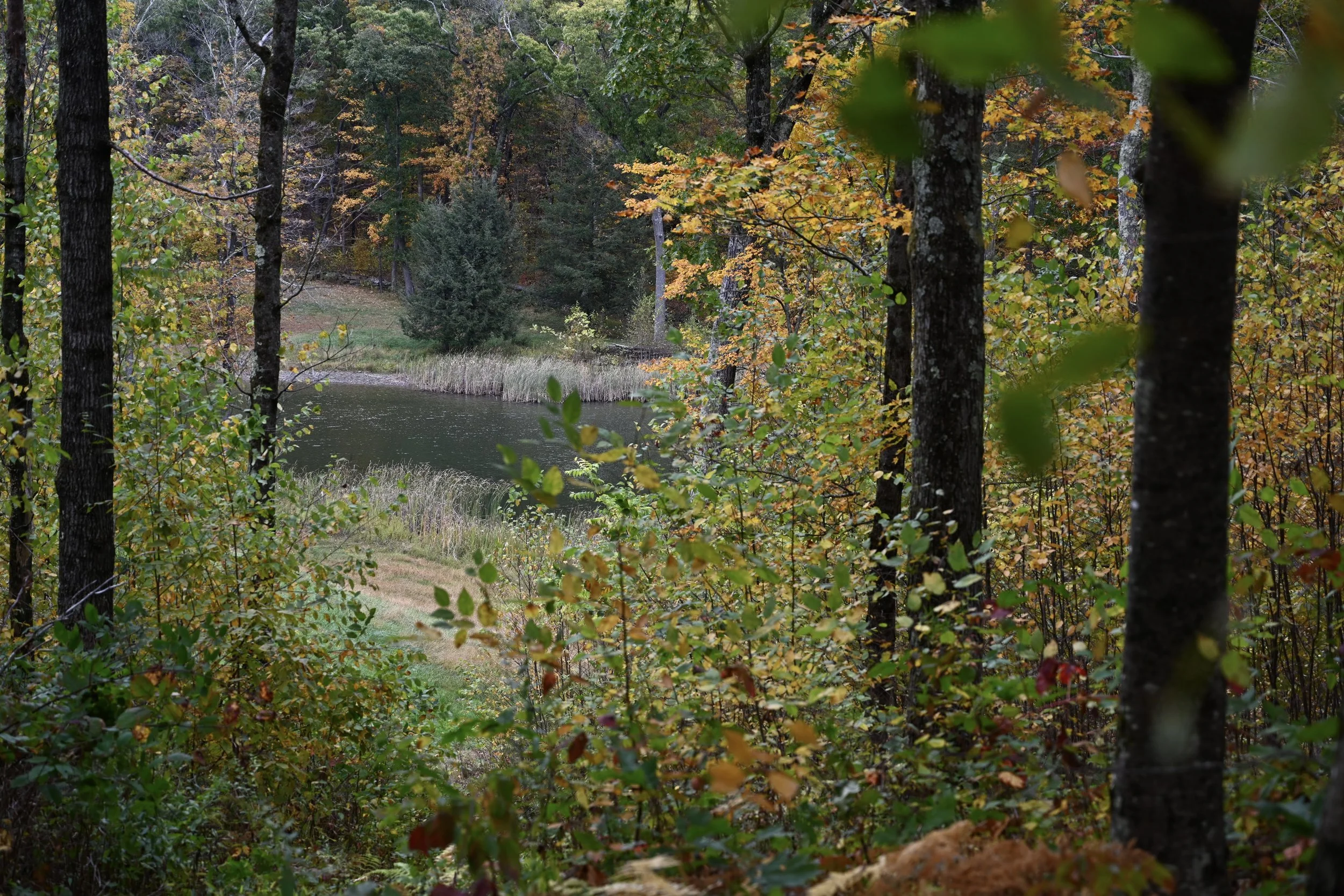
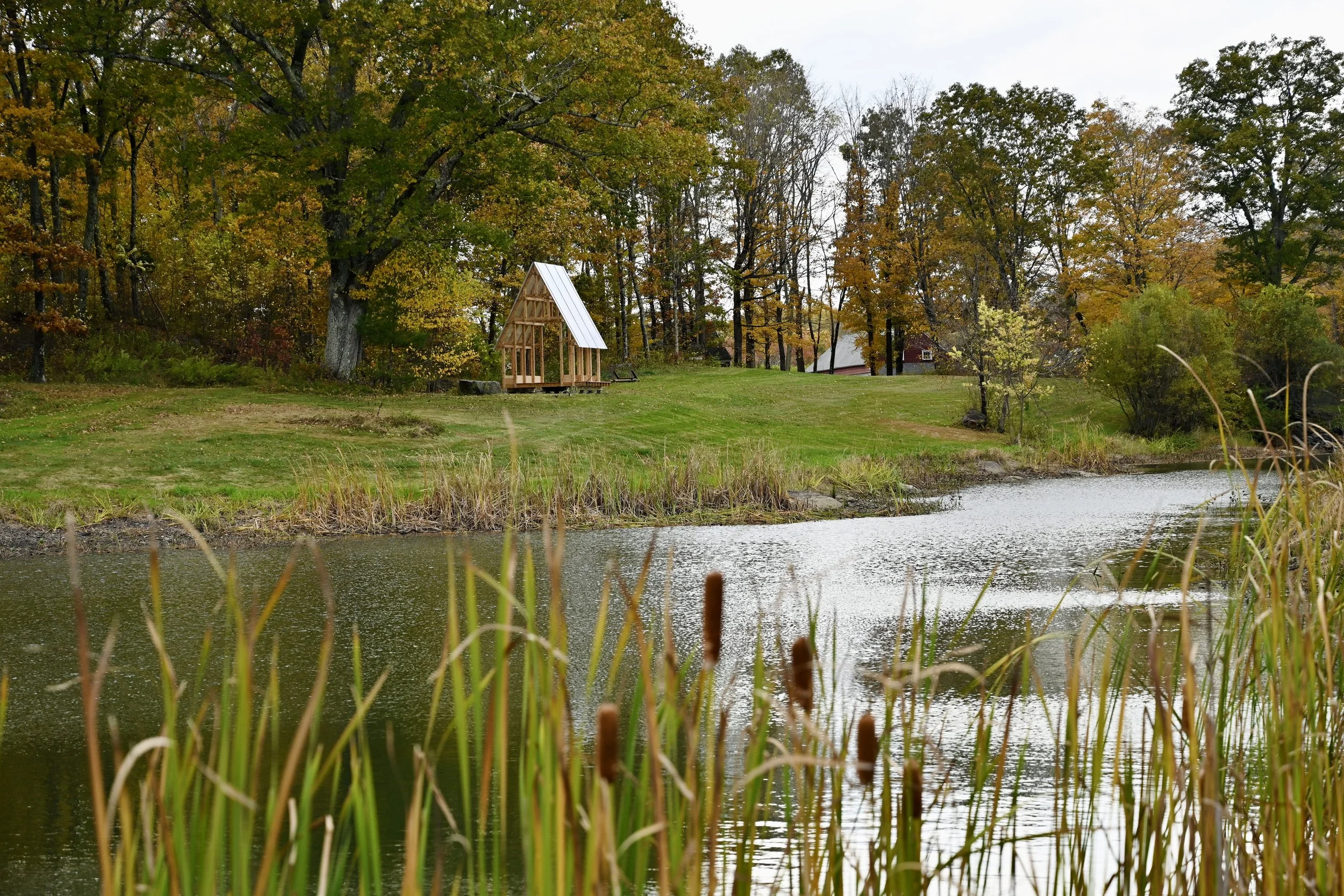
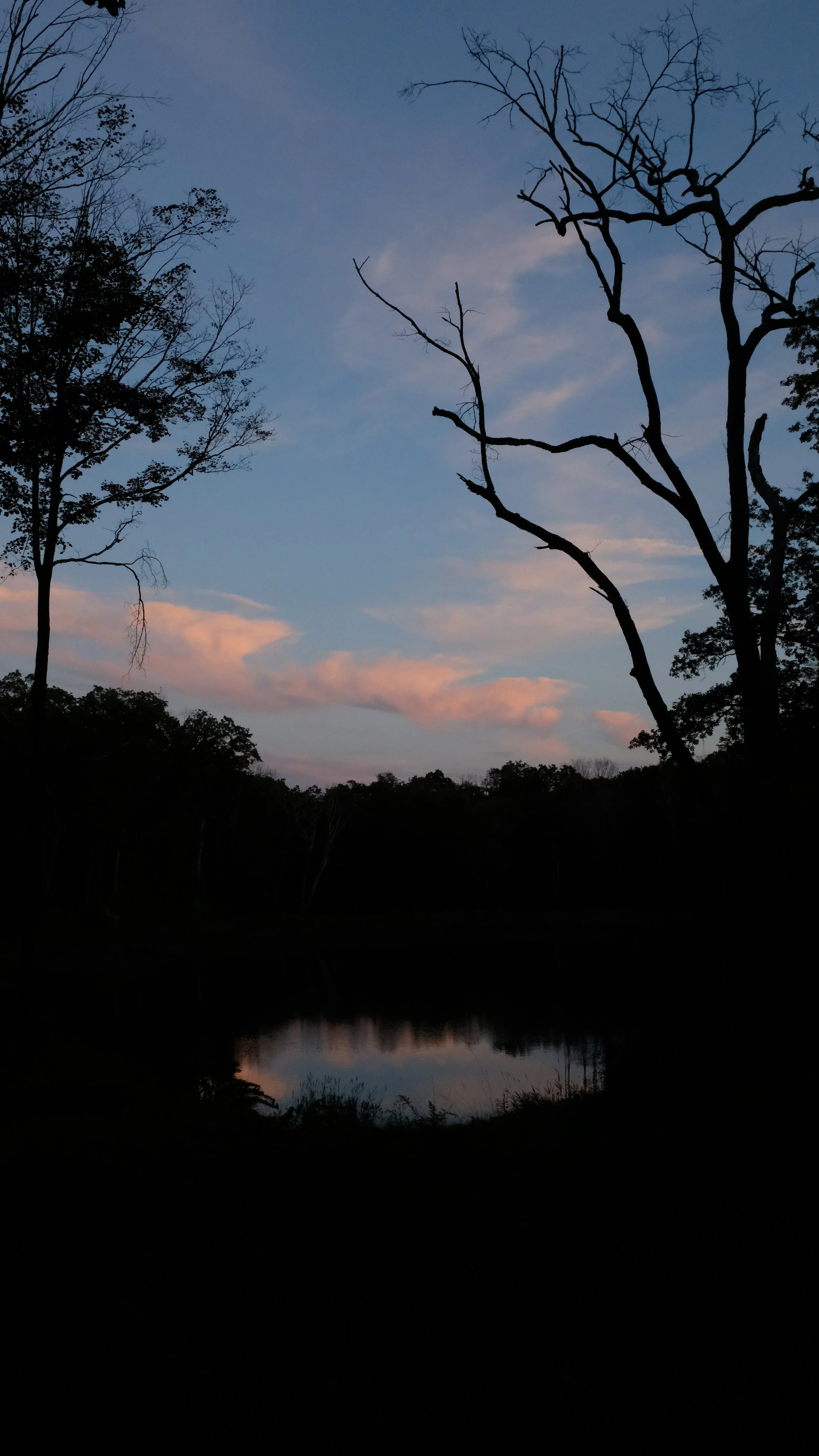
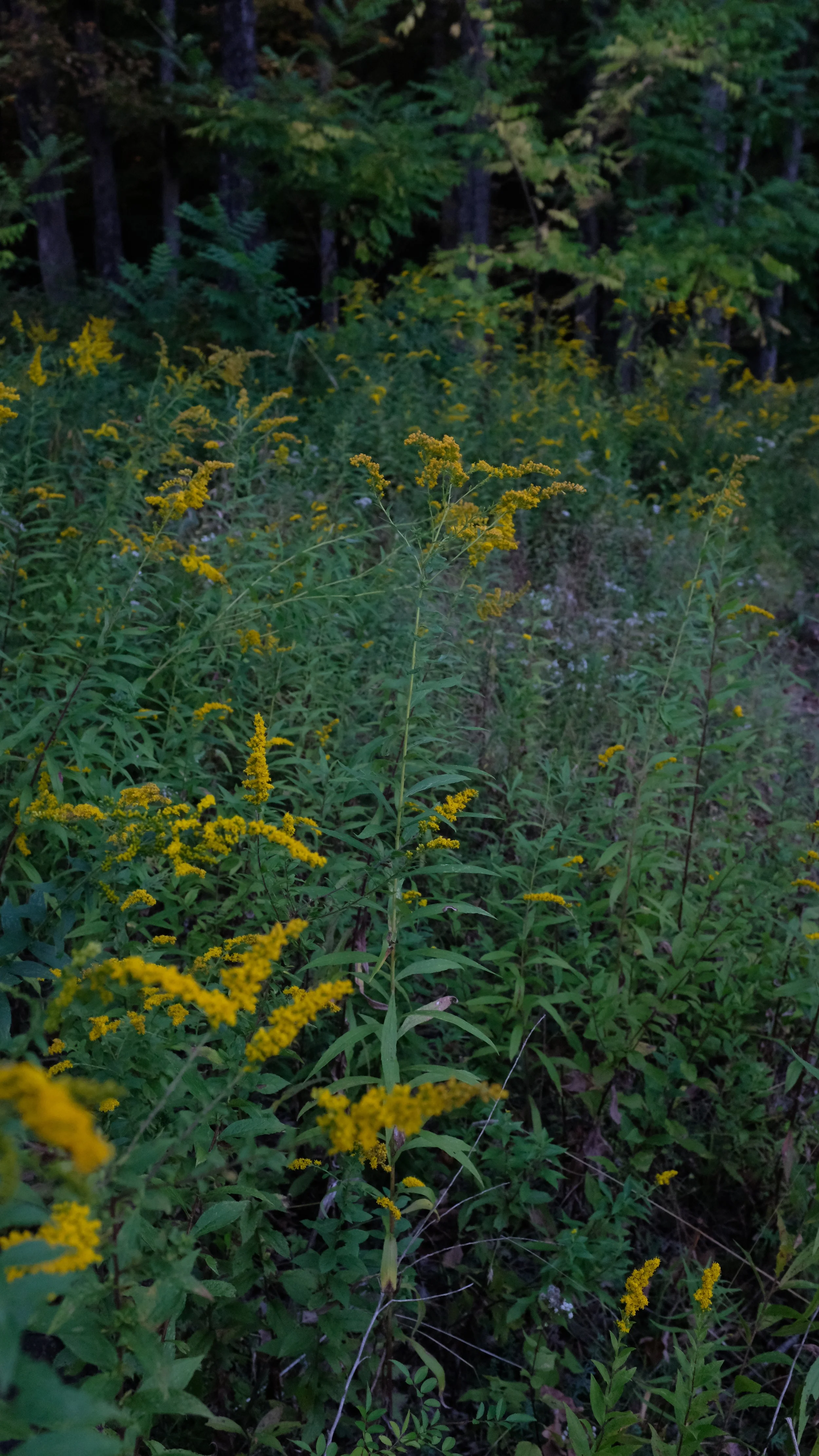
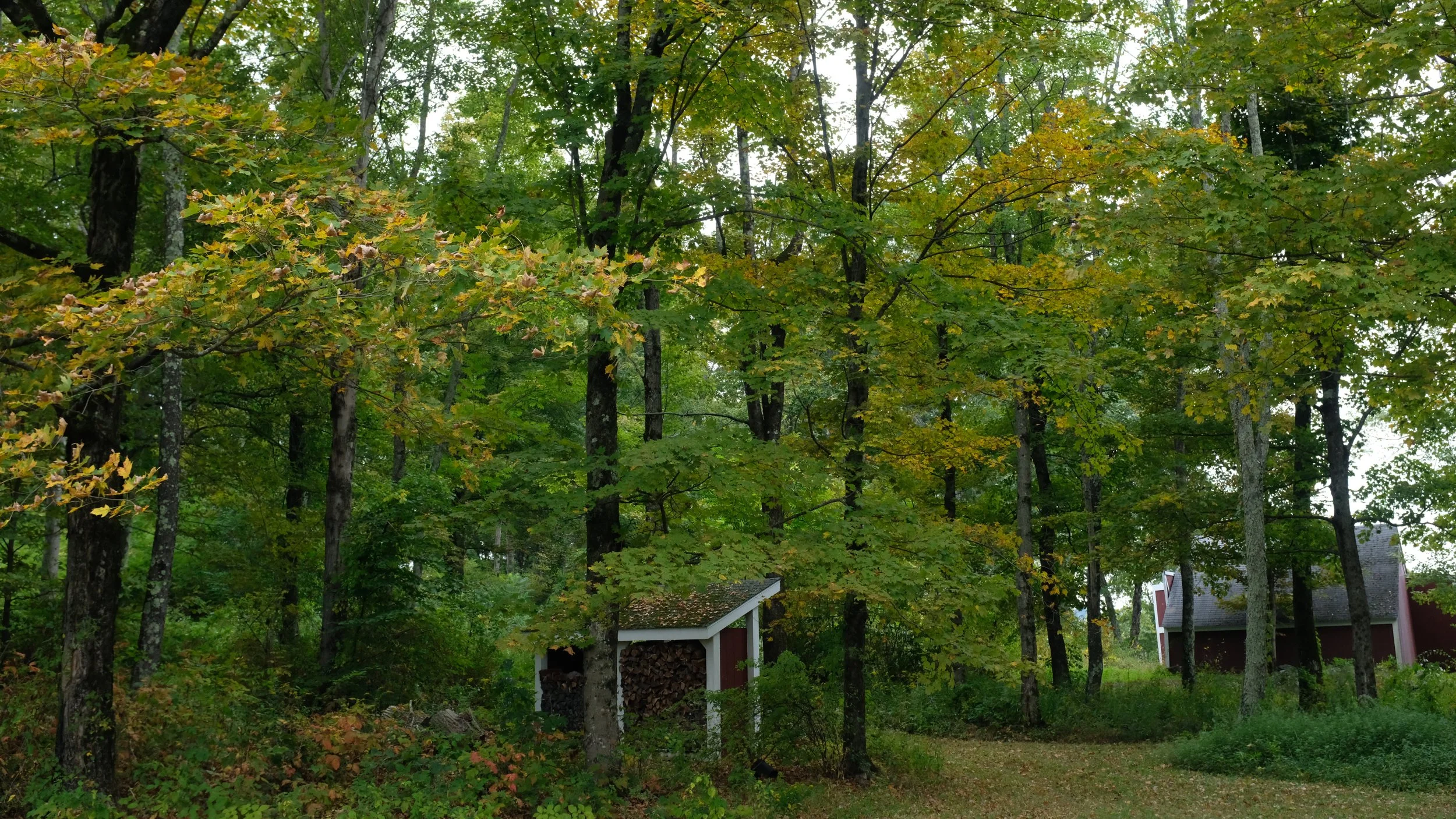
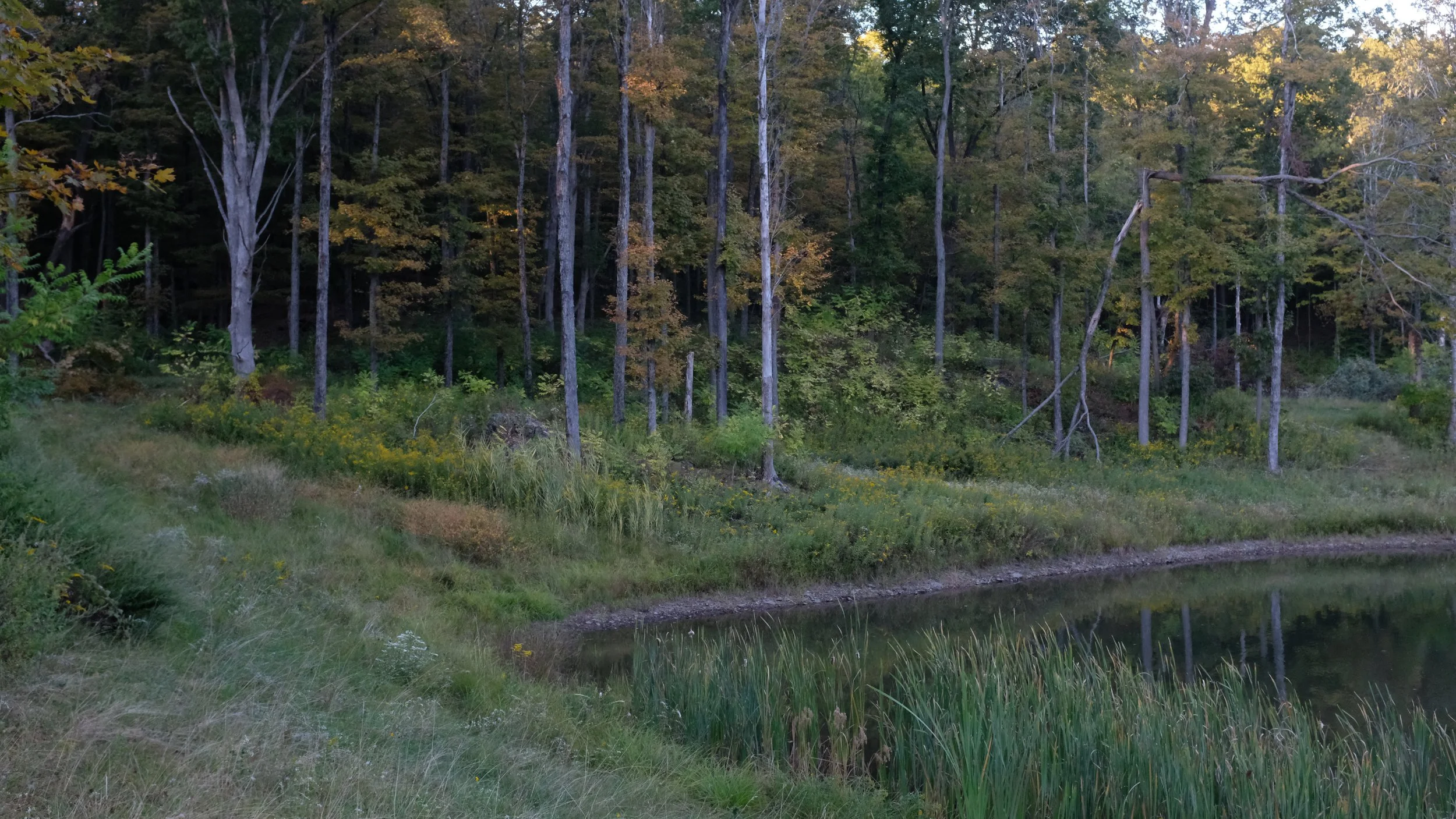
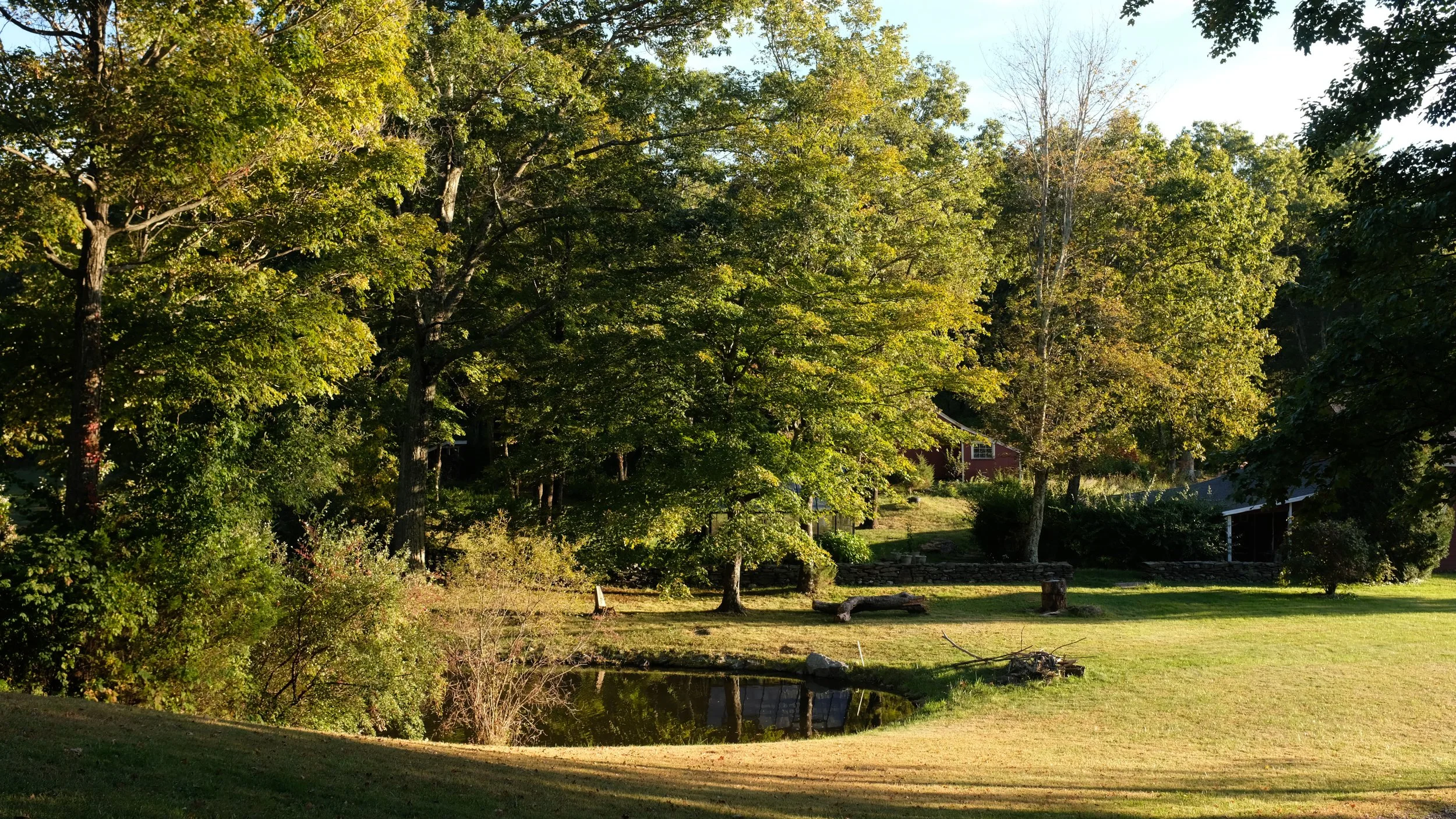
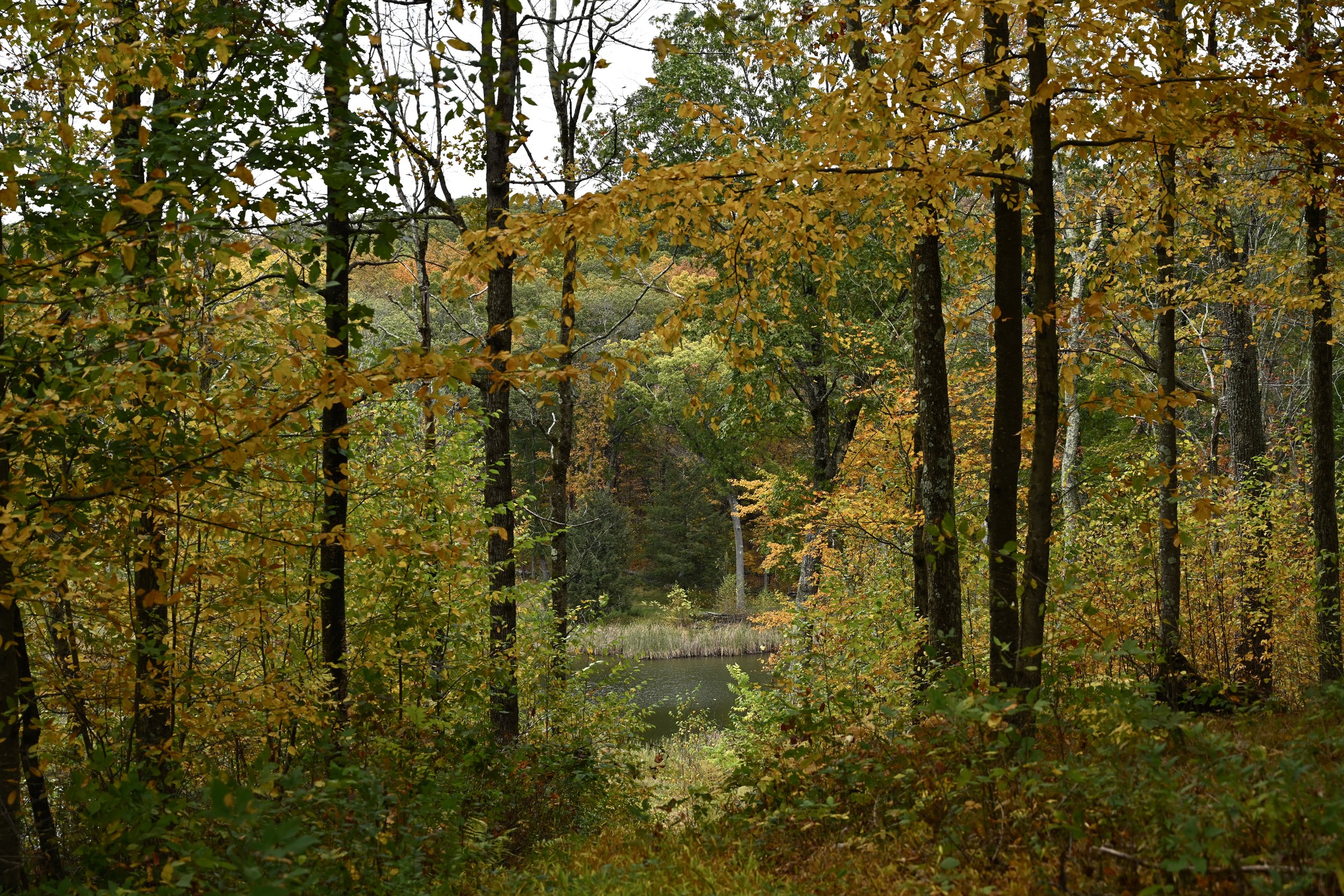
The 170 acres of farms, hills, rivers, animals, and forests at the AnAnd Foundation are not just physical features; they represent a deeply intentional integration of art, nature, and sustainability that aligns with the organization’s vision. As a nonprofit art organization that houses artist and designer residency programs, a chef residency, and sustainable farming, this environment holds profound significance in shaping AnAnd foundation’s identity, purpose, and vision.
Deepening Connection
Between Nature and Humanity
-
![]()
Artist-Inspired Environmental Installations
• Eco-Art Exhibitions: Invite resident artists to create site-specific installations or sculptures using natural materials found on the foundation’s land. These works could raise awareness of environmental issues such as habitat loss, climate change, or biodiversity.
• Seasonal Land Art Festivals: Host an annual or seasonal land art festival where artists and designers create temporary installations across the farm, forests, and riverbanks. The event could include guided tours, workshops on eco-art practices, and discussions about the intersection of art and nature.
-
![]()
Eco-Tourism and Nature Walks
• Guided Nature Hikes: Host regular guided hikes through the hills, forests, and river areas, focusing on the wildlife, plants, and ecosystems within the foundation’s land. Knowledgeable guides or local conservationists can educate visitors about the area’s natural history, biodiversity, and preservation efforts.
-
![]()
Sustainability and Eco-Design Programs
• Sustainable Design Challenges: Organize design competitions that challenge resident designers and visiting participants to create eco-friendly products, tools, or solutions that benefit both the environment and communities. These designs could focus on renewable energy, water conservation, or wildlife preservation.
• Green Architecture and Land Use Workshops: Offer workshops on sustainable architecture, landscape design, and green building practices that preserve the natural environment while supporting human activities. This could involve designing eco-friendly structures or land use plans for the foundation’s property.
-
![]()
Ecological Research and Innovation Collaborations
• Research Partnerships with Universities: Collaborate with universities and environmental organizations to conduct research on wildlife preservation, sustainable agriculture, and conservation practices. The foundation’s land could serve as a living laboratory for studying ecological challenges and solutions.
• Residencies for Environmental Scientists and Ecologists: Introduce residencies for scientists and ecologists, allowing them to conduct fieldwork, conservation research, or ecological art installations. These experts could collaborate with artists and chefs, integrating science with creative expression and sustainable practices.