
Gloria Fan Duan
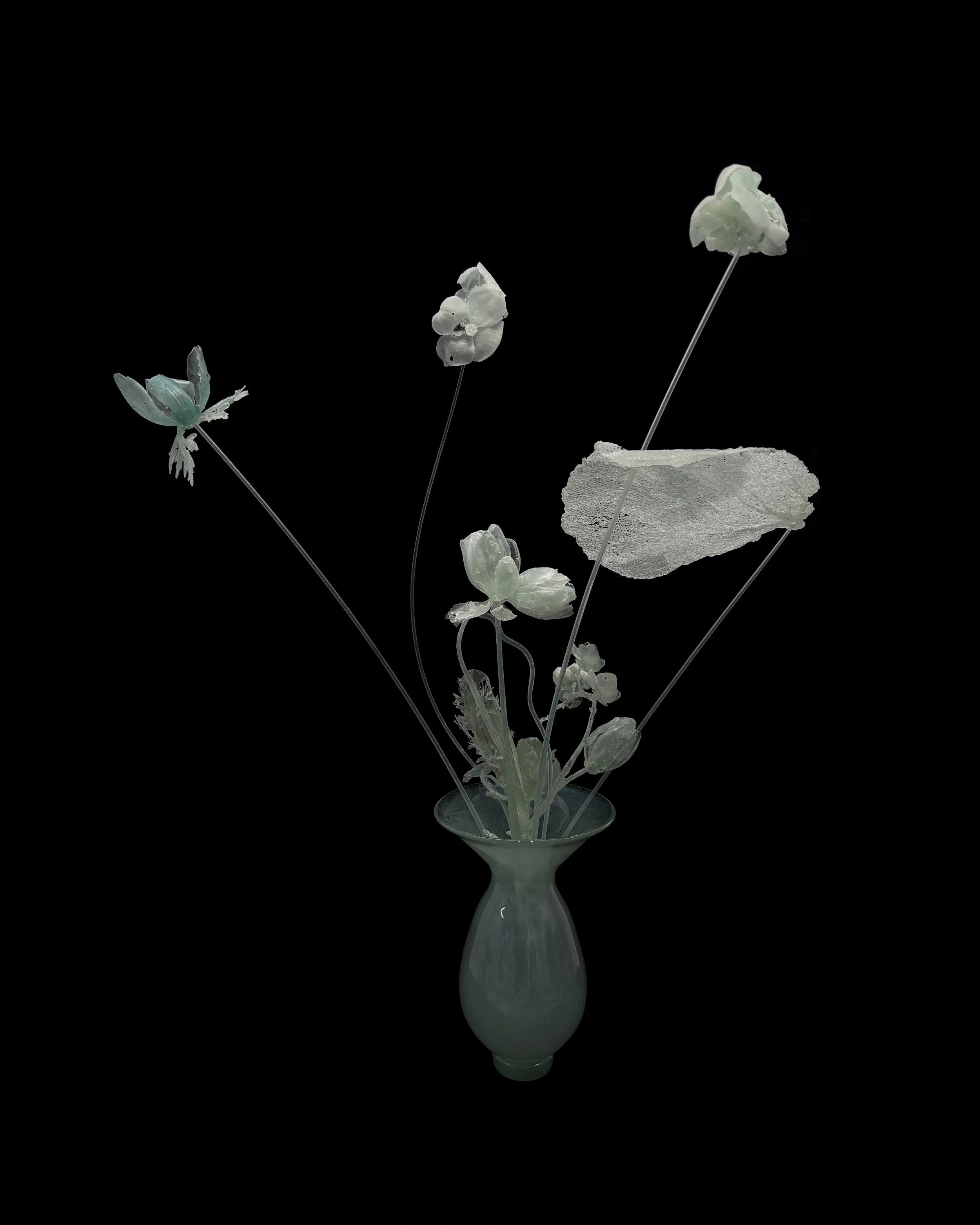
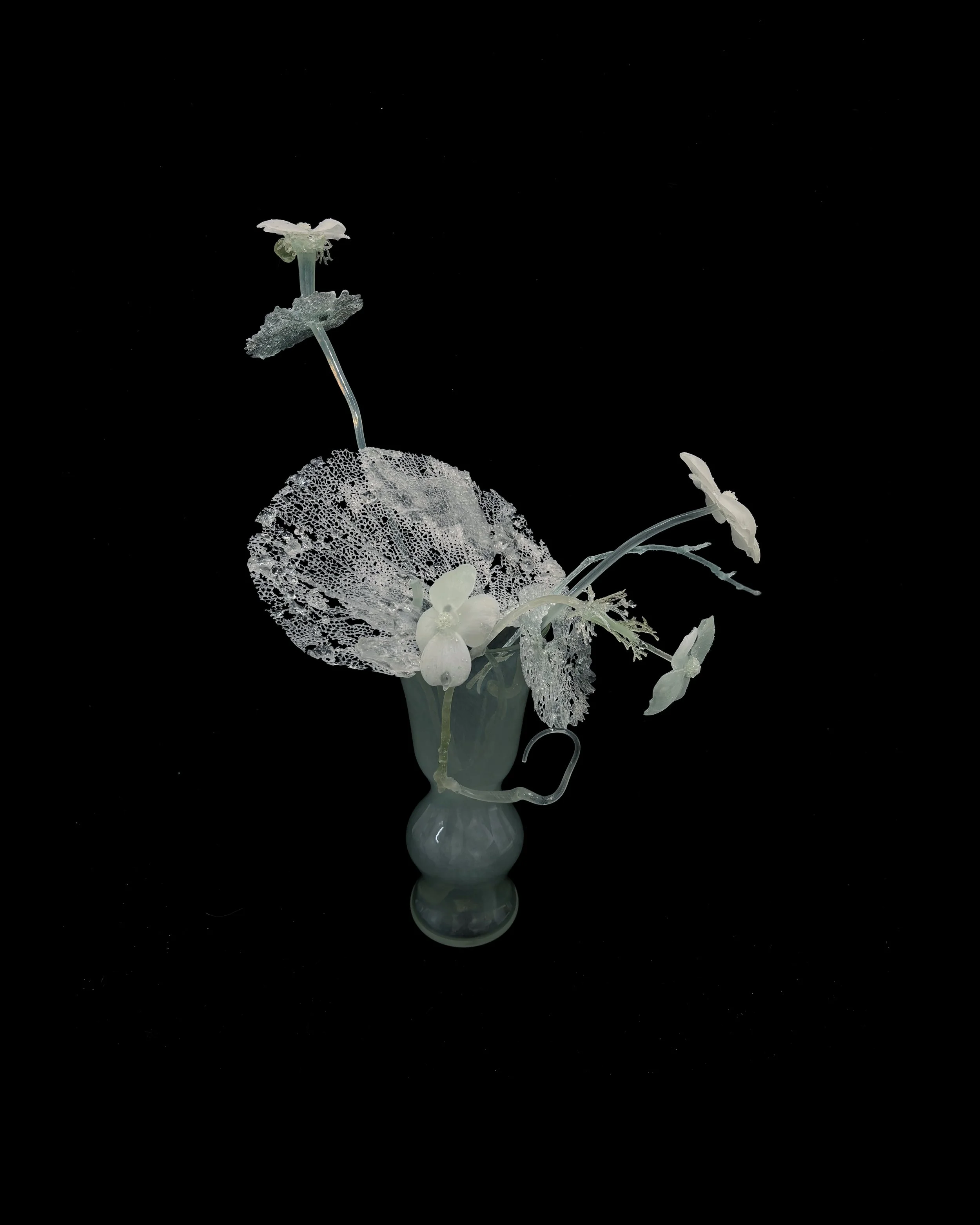
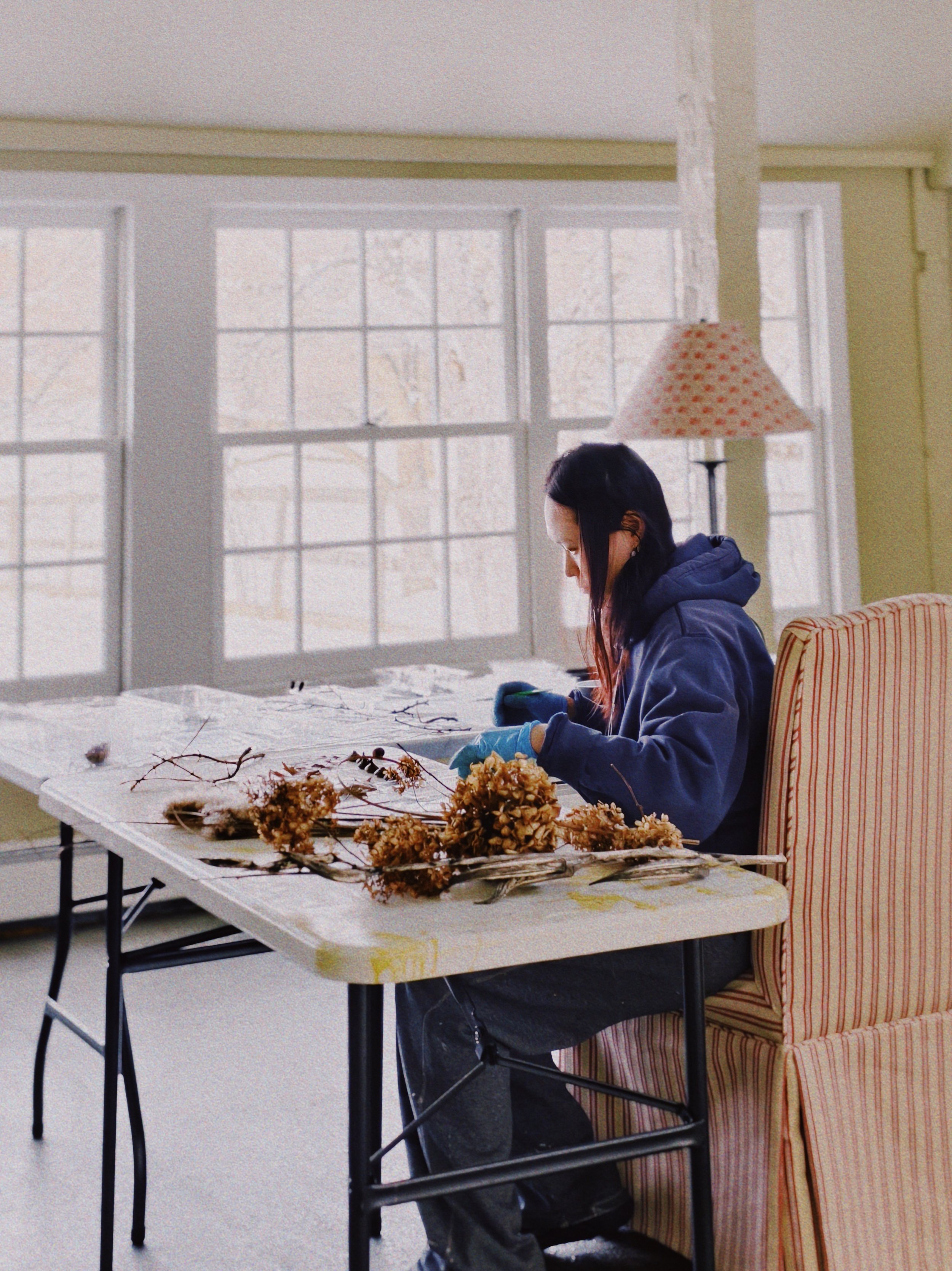
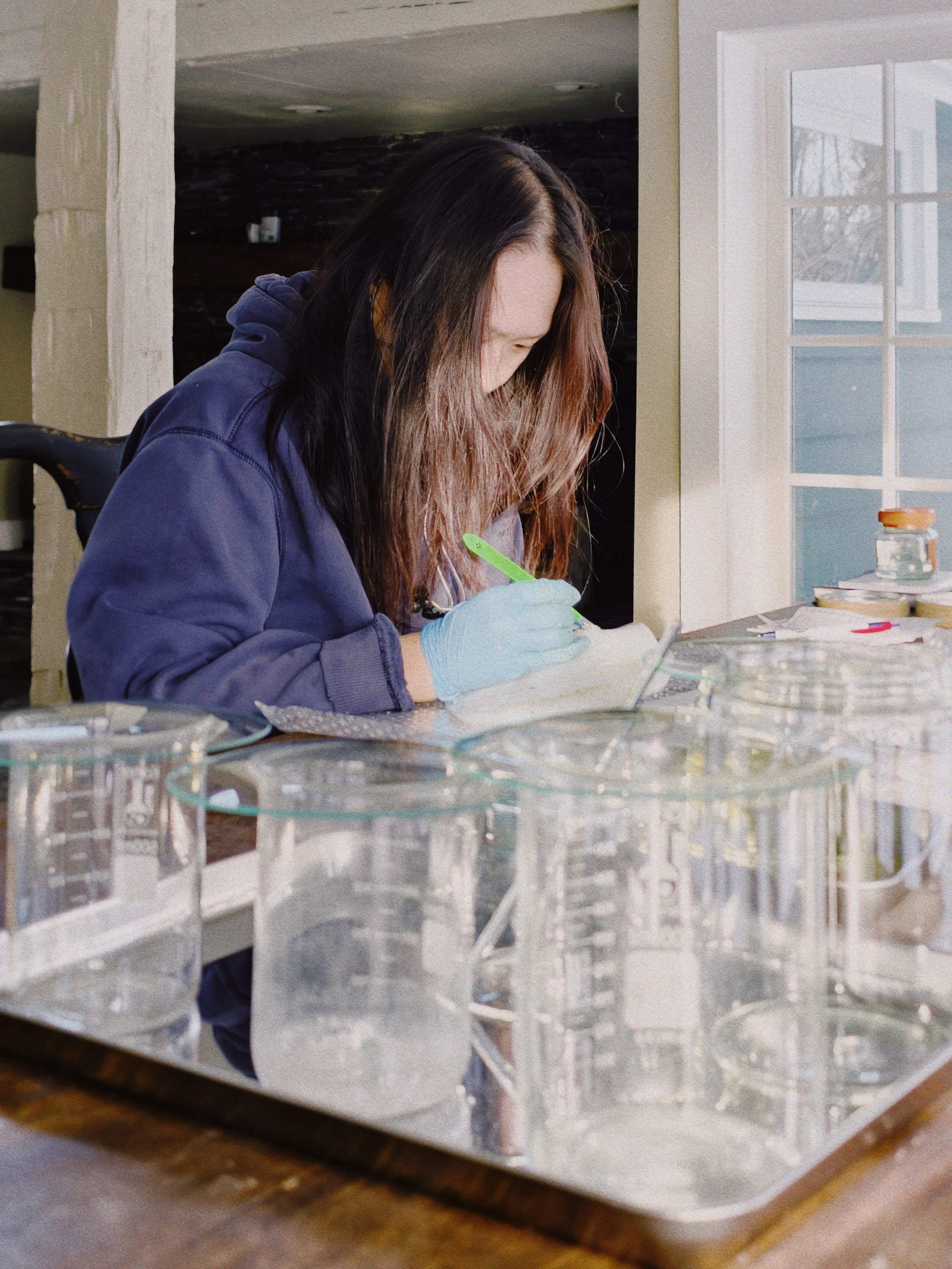
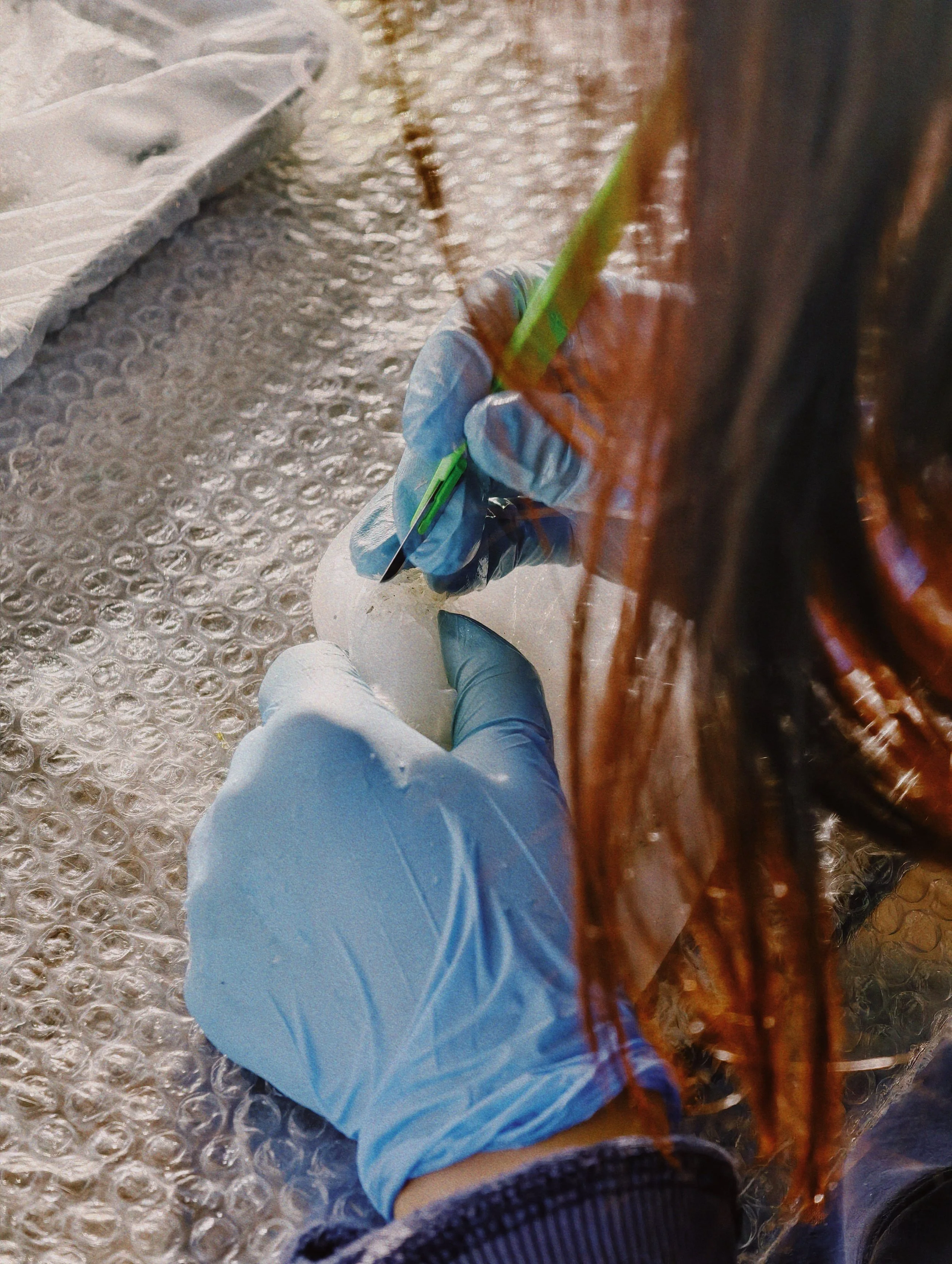
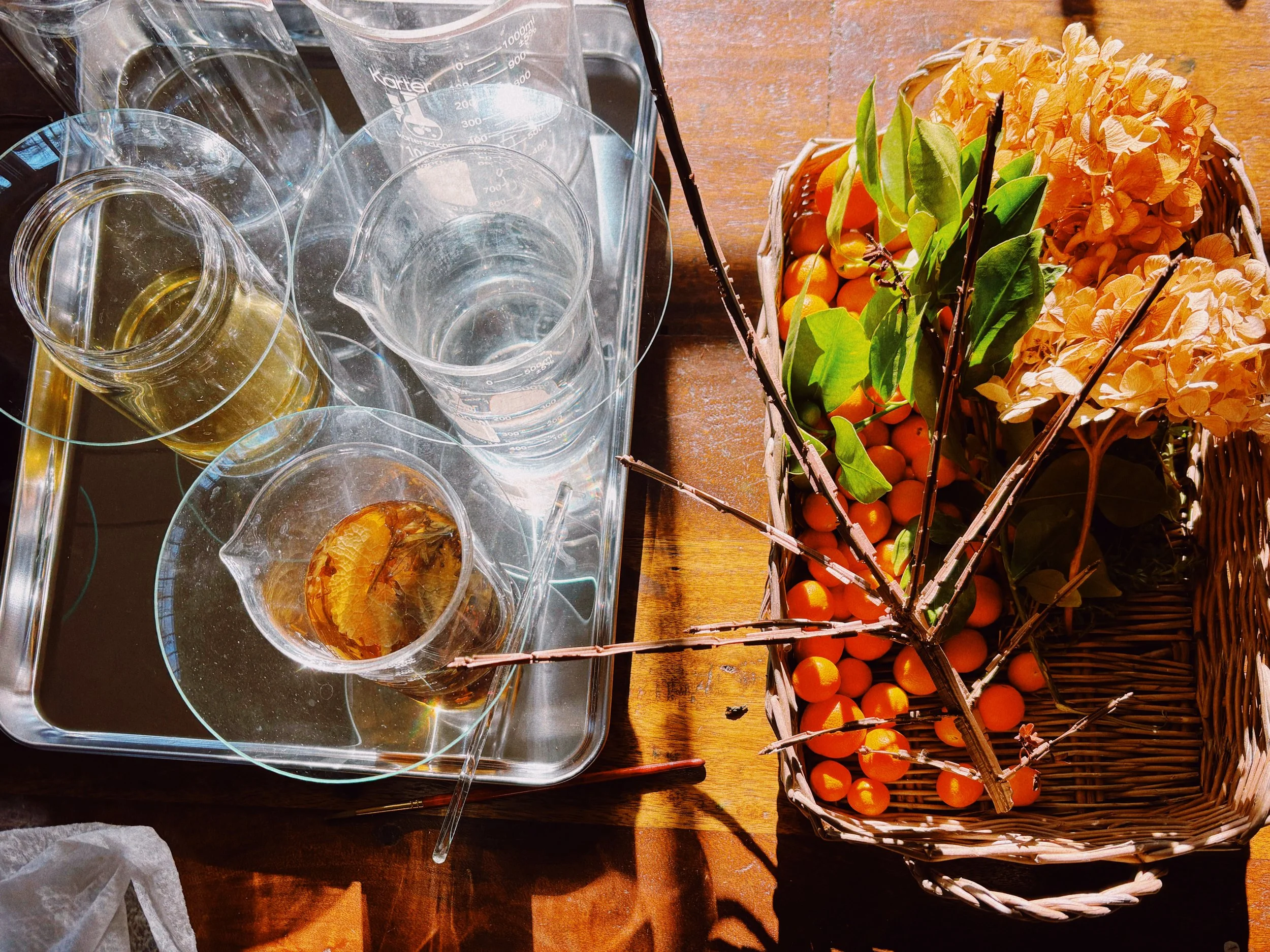
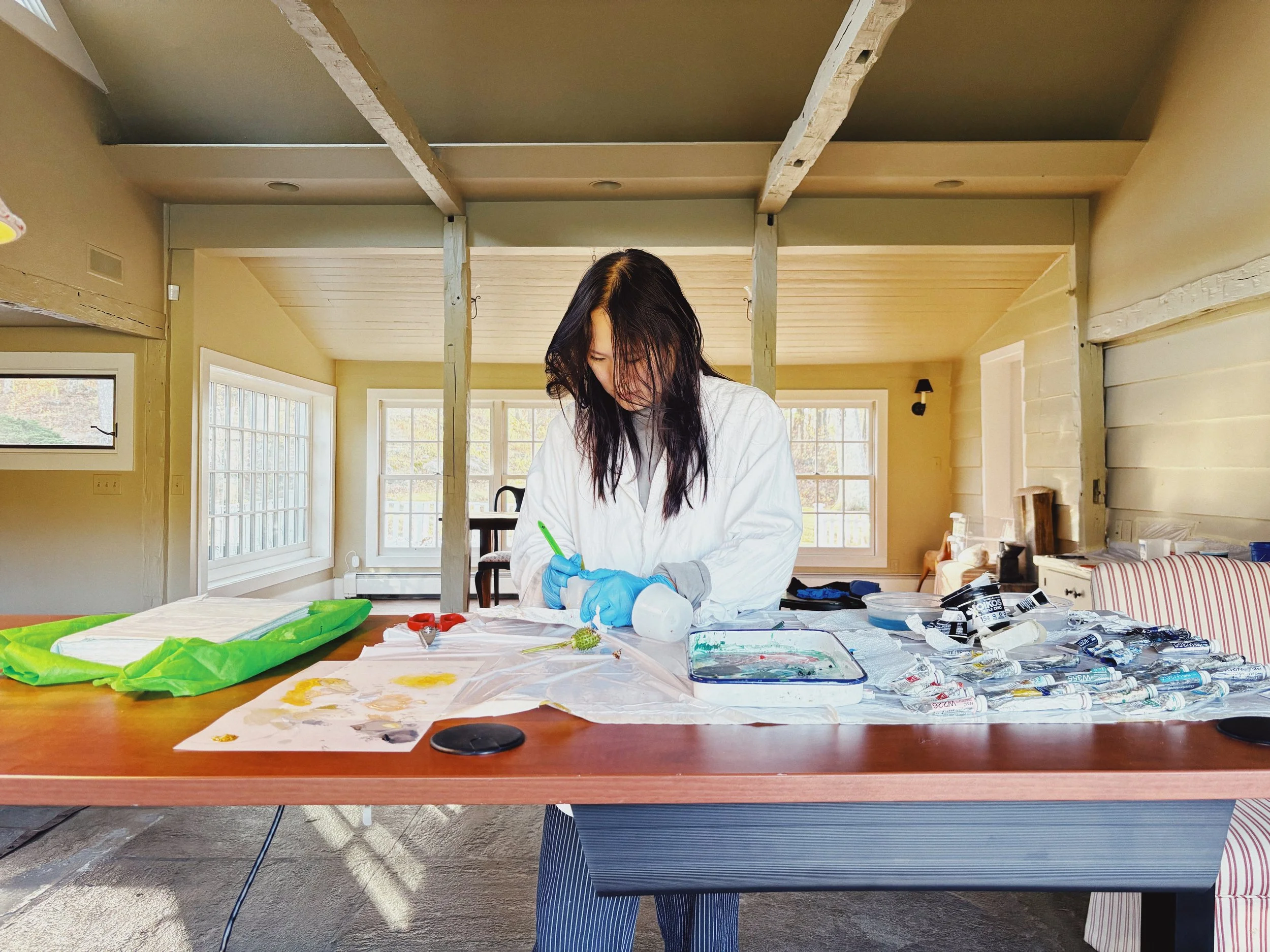
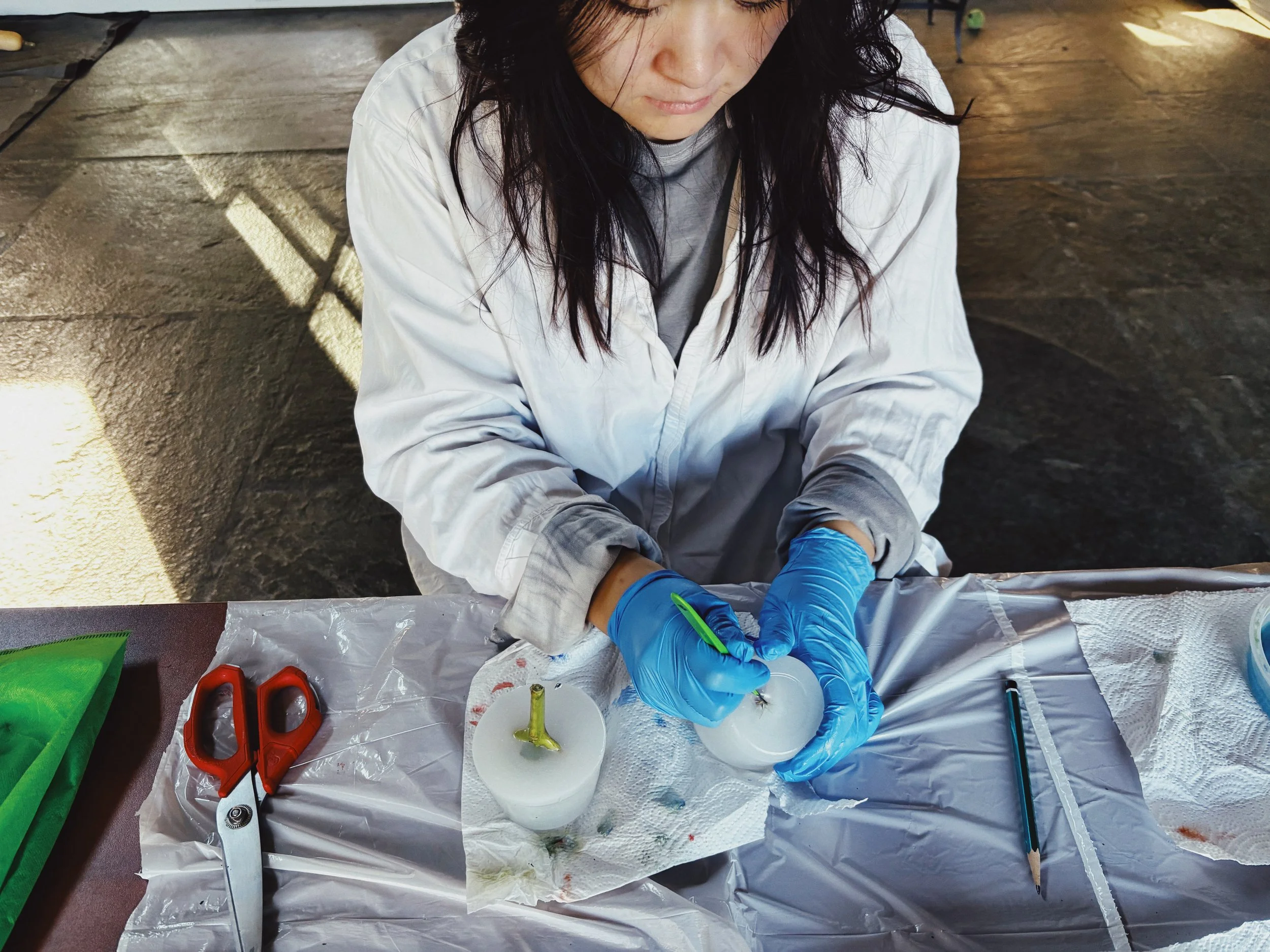
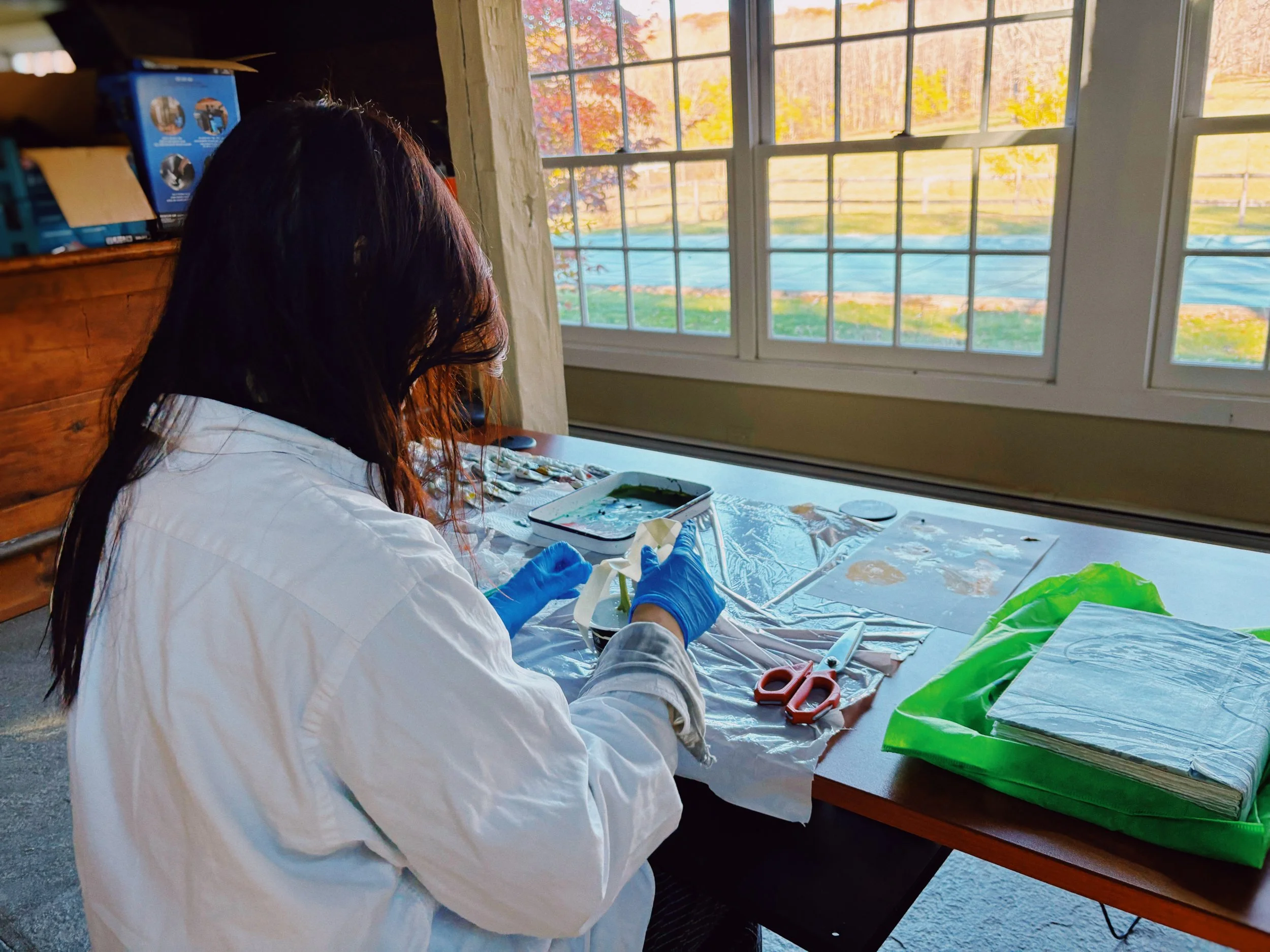
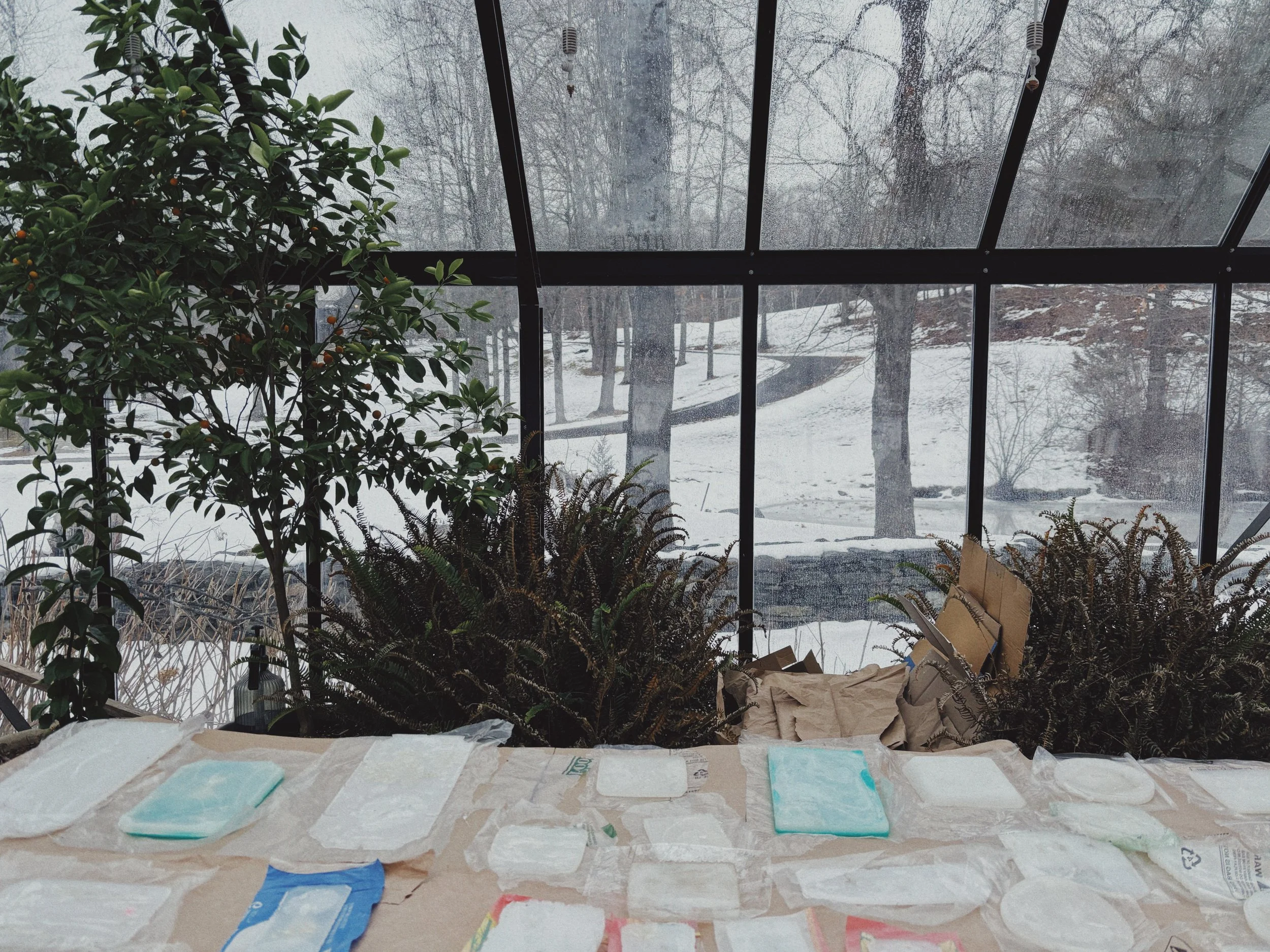
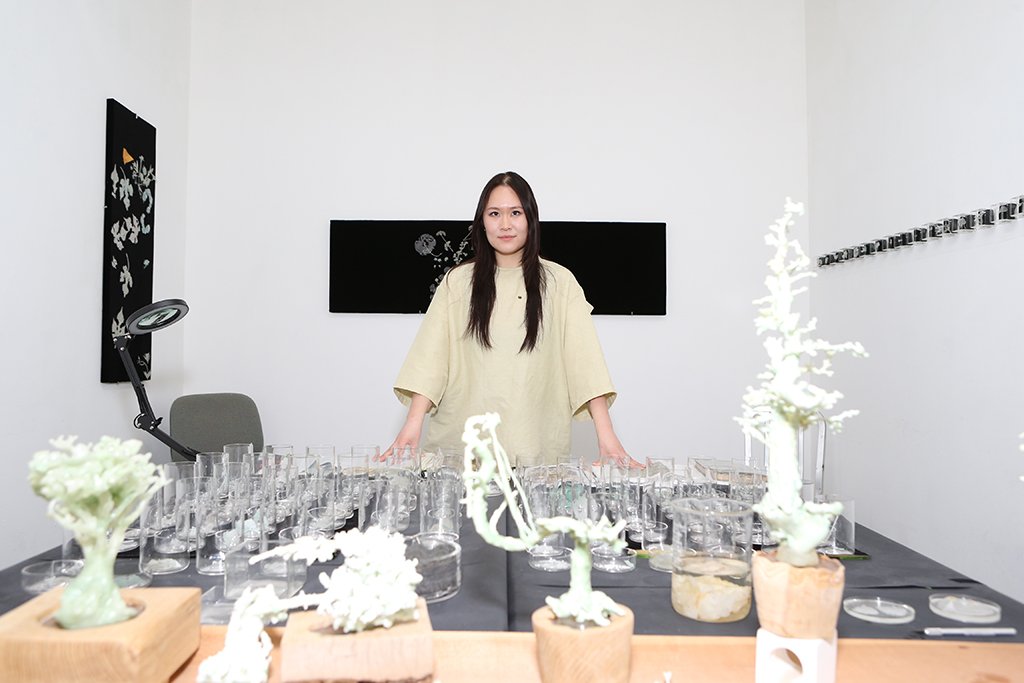
Gloria Fan Duan is an artist and educator whose work explores the poetic intersections of art, science, and technology. Her interdisciplinary practice is grounded in process-driven inquiry, where conceptual frameworks emerge through craft, material experimentation, and sensory research across sculpture, painting, new media, and installation. Drawing from biotechnology, horticultural arts, and the visual languages of still life and landscape, Duan examines the tension between fragility and permanence—how we control, care for, and see ourselves reflected in the natural world. Her work engages with artistic and scientific attempts to augment, preserve, and reimagine nature, conflating organic and synthetic materials to foreground the emotional and existential dimensions of such inquiries.
Duan’s practice engages ecological and cultural thresholds across geographies as a way of exploring how we locate ourselves within stratified and shifting worlds. Through collaboration, exhibition, and context-specific projects, she investigates the poetics of place, dislocation, and becoming. She has exhibited internationally at venues including Ars Electronica, Currents New Media Festival, Digerati Experimental Media Festival, and Art Basel in Basel. Reviewed in The Washington Post, her first solo exhibition, Mobius Waves, was presented at Hillyer International Arts & Artists in Washington, D.C. Her collaborative and commissioned projects include The Bonsai Paradox with the Chicago Botanic Garden, and an international campaign with La Prairie and the Bauhaus Dessau Foundation, featured in Architectural Digest, Vogue, and Vanity Fair.
Duan has received support from the Andy Warhol Foundation’s Interlace Grant and held fellowships at Pratt Institute and the NARS Foundation. She holds a BFA in Painting from the Rhode Island School of Design and an MFA in Art and Technology/Sound Practices from the School of the Art Institute of Chicago. She currently teaches at both Parsons School of Design and Pratt Institute, where her pedagogy emphasizes systems thinking, material experimentation, and critical engagement with emerging technologies.